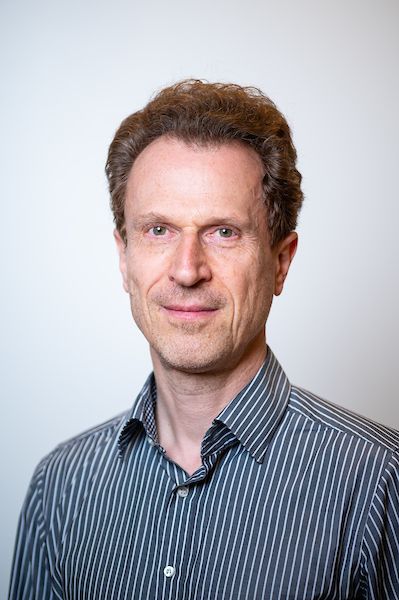
Matthias Scheutz, Ph.D. Ph.D.
Karol Family Applied Technology Professor
Director, Human-Robot Interaction Laboratory
Matthias Scheutz received a PhD degree in philosophy from the
University of Vienna and a joint Ph.D. in cognitive science and
computer science from Indiana University. He is the Karol Family
Applied Technology Professor of computer and cognitive science in the
Department of Computer Science at Tufts University in the School of
Engineering, and Director of the Human-Robot Interaction Laboratory and
the HRI Masters and PhD programs. He has over 400 peer-reviewed
publications in artificial intelligence, artificial life, agent-based
computing, natural language understanding, cognitive modeling,
robotics, human-robot interaction and foundations of cognitive science.
His current research focuses on complex ethical cognitive robots with
natural language interaction, problem-solving, and instruction-based
learning capabilities in open worlds.
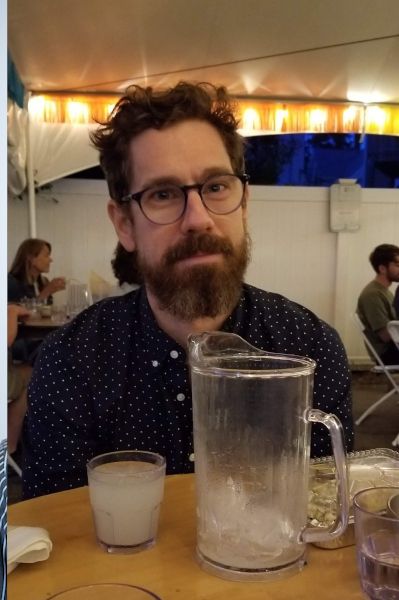
Evan Krause, MS
Senior Robotics Researcher, Lab Manager
Evan Krause received a MS degree in Applied Mathematics from the University of Washington.
He is a senior staff member in the HRI Lab and his current research interests include failure detection
and recovery, problem solving, and architecture development for robots in open worlds.
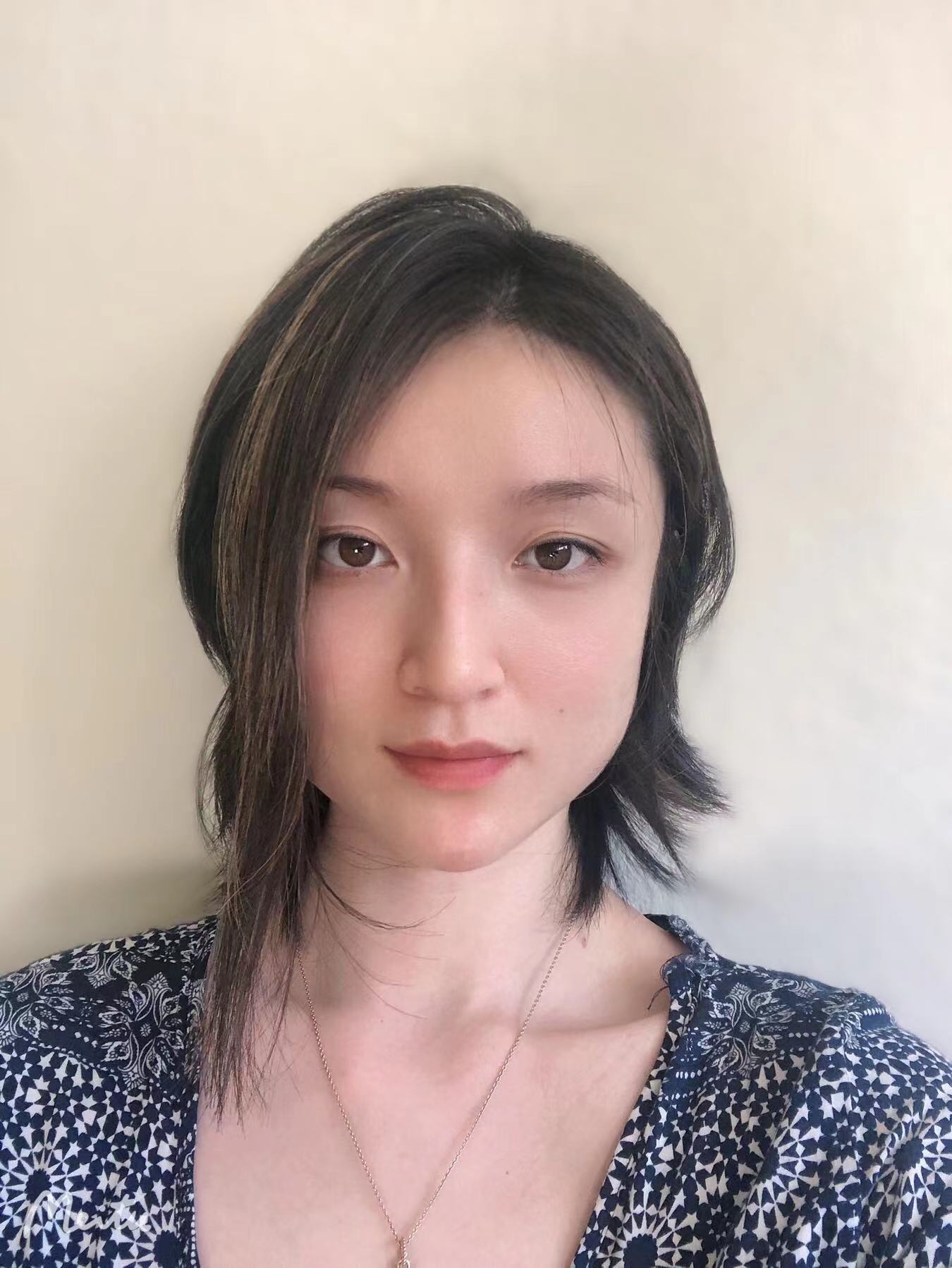
Helen Lu
Ph.D. Student
Helen Lu received her bachelor's degree in psychology from the University of California, Berkeley, and her master's degree in computer science from the Georgia Institute of Technology. She is currently a Ph.D. student in the joint Computer Science and Human-Robot Interaction program at Tufts University. Her research interests include neuro-symbolic artificial intelligence and human-in-the-loop machine learning. Her current research focuses on enabling robots to collaborate with humans on creative tasks through incorporating generative AI into the robots’ symbolic cognitive architectures.
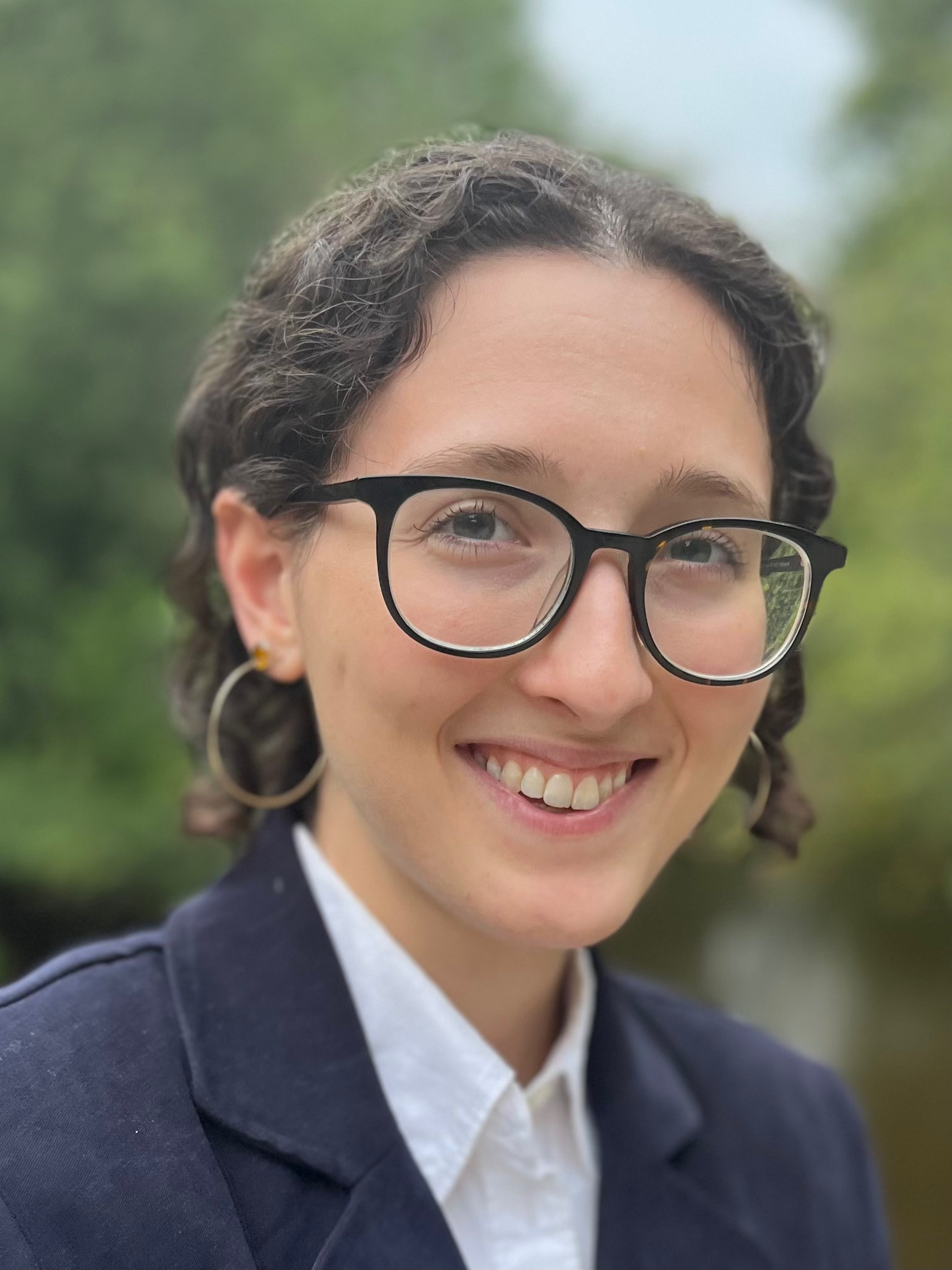
Emily Ertle
Ph.D. Student
Emily Ertle received B.S. degrees in Neuroscience and Computer Science from the University of Vermont in 2024. She is currently pursuing a Ph.D. in the department of Computer Science. Through collaboration with the HRI lab and the Levin Lab, she hopes to build new computational frameworks for exploring complex biological phenomena. She is particularly interested in understanding decision-making in unconventional intelligences, such as a collective of cells forming specific patterns in morphogenesis, and the methods by which biological systems maximize the number of functions performed by the same hardware.
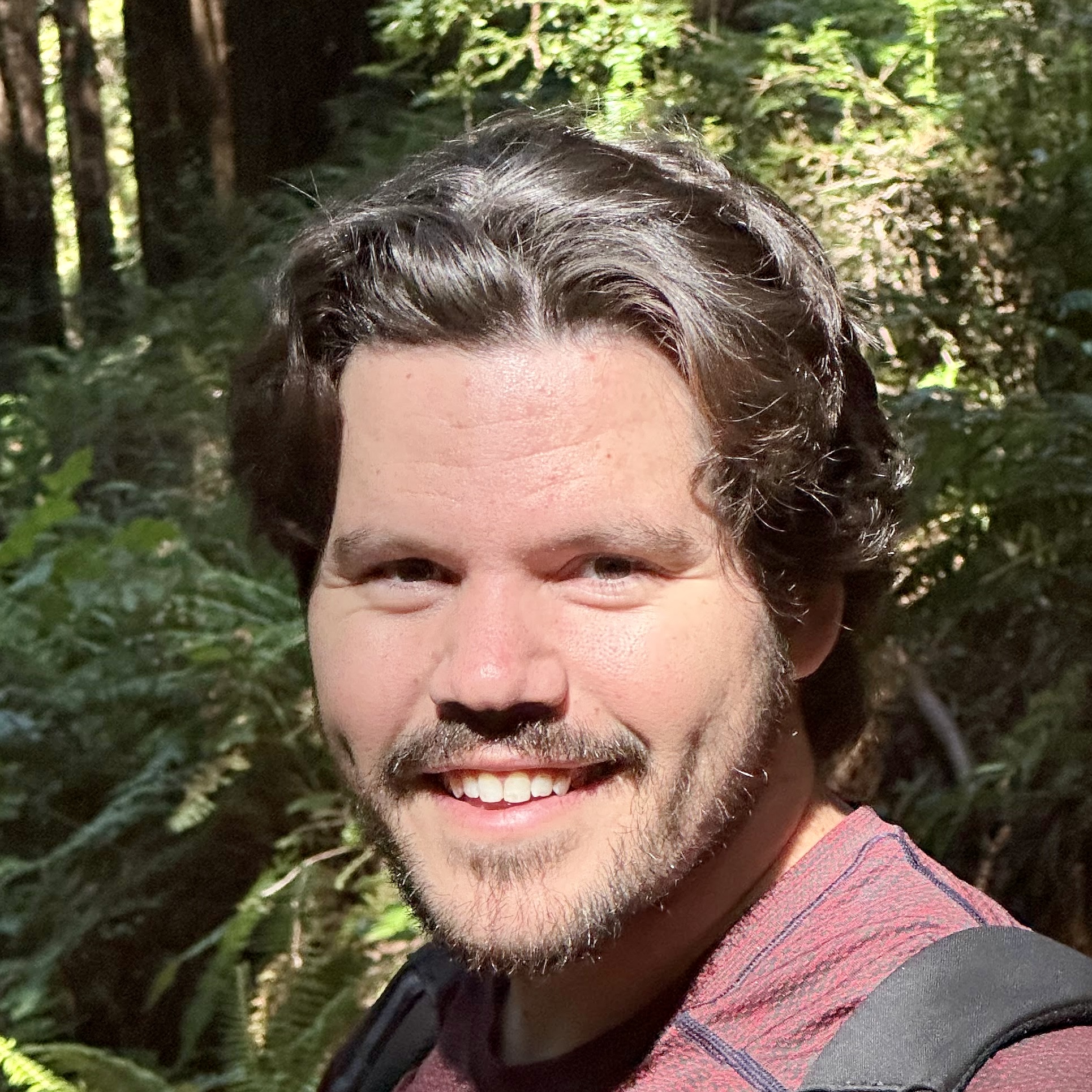
Timothy Duggan
Ph.D. Student
Tim Duggan is a Joint Computer Science and Human Robot Interaction PhD student. He holds a Bachelor of Science degree in Material Science & Engineering as well as an Master of Engineering degree in Mechanical Engineering, both from Cornell University. Tim worked on robotics research grants as a Robotics Software Engineer at Otherlab for about five years. Tim’s current research interest is Vision-Language-Action models.
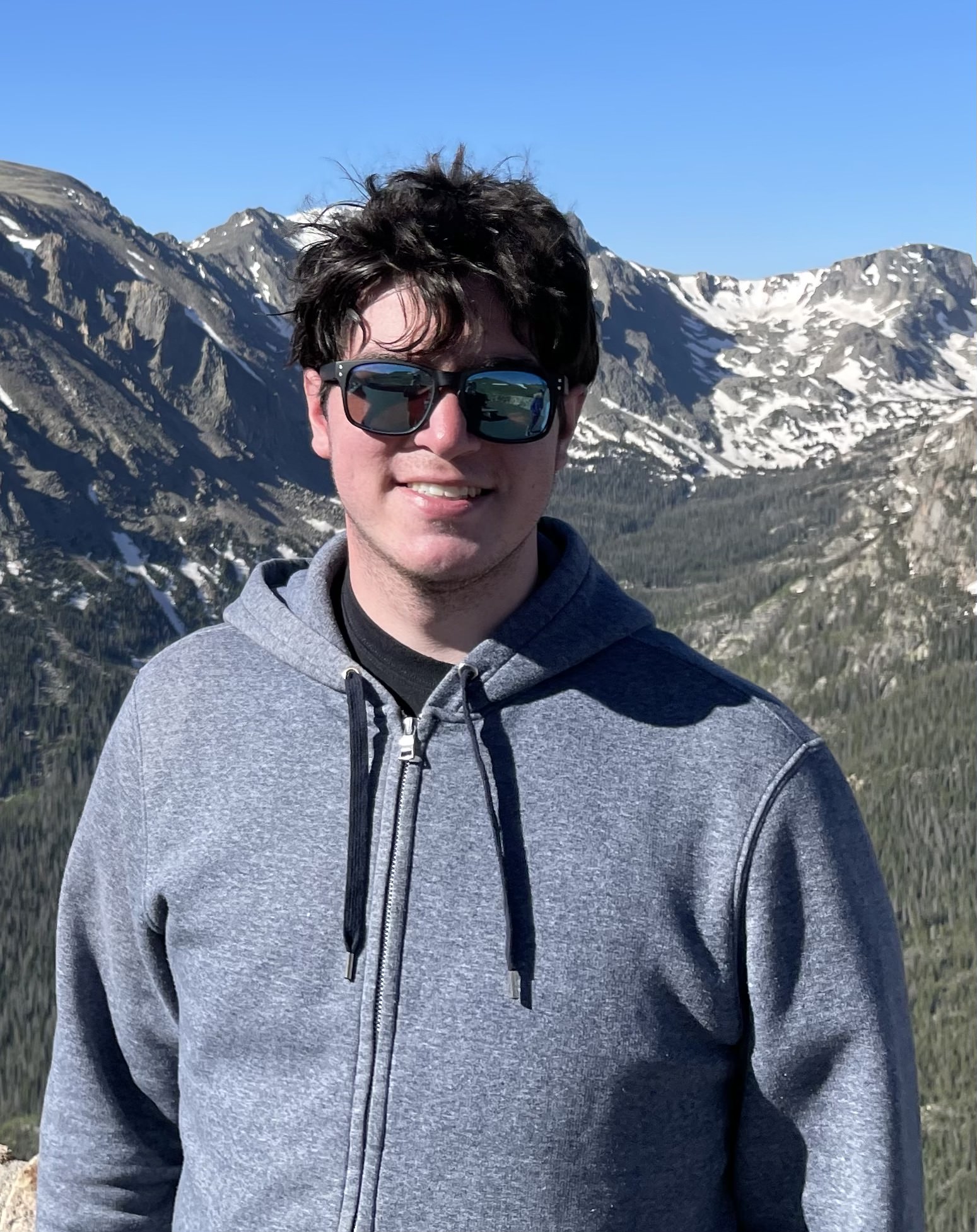
Daniel Little
Ph.D. Student
Daniel Little is currently a Ph.D. student in the department of Computer Science. Before joining the lab, he received a bachelor's degree in Computer Science and Mathematics from Vanderbilt University. His current research interests include using reinforcement learning to learn normative behavior in robots.

Kaveh Eskandari
Ph.D. Student
Kaveh Eskandari is a PhD student in Computer Science at the HRI
Lab. Prior to joining Tufts, he received his Master of Science in
Computer Science from Worcester Polytechnic Institute (WPI). His
research involves improving the reasoning and argumentative
capabilities of Large Language Models while interpreting the intrinsic
behavior of the foundation models. In addition, he is interested in
better understanding the potential safety issues and biases in LLMs
and how we can address them through various technical and alignment
methods.
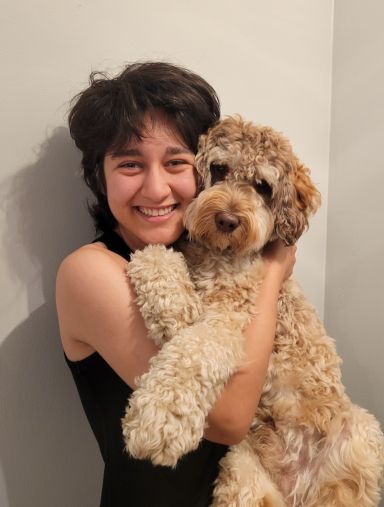
Amitis Hamidi
Ph.D. Student
Amitis Hamidi is pursuing a joint Ph.D. in Computer Science and
Human-Robot Interaction after earning a bachelor's degree in Computer
Science and Mathematics from Tufts. Their research explores creative
problem-solving and failure recovery in autonomous agents,
particularly through hybrid approaches that integrate symbolic
reasoning with large language models.
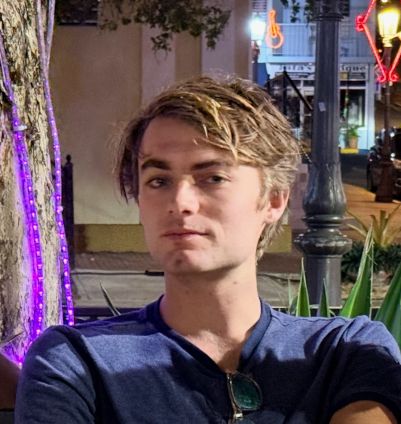
Olin Goudey
Ph.D. Student
Olin received a bachelor's degree in Computer Science from UMass
Amherst, and before becoming a PhD student at Tufts, he was in the
Certificate Program at Tufts and interned at MassRobotics. He is now
interested in exploring human-robot systems, generalist robotics
architectures, and their deployments.